Moroccan Wedding Traditions
A Moroccan wedding is one of the great spectacles of North African culture: days of celebration, dazzling outfits, drums at midnight and a bride carried above the crowd. Here is how it unfolds - and what to expect if you are lucky enough to be invited.
Before the Big Day: Khotba and Melak
It starts with the khotba, the official proposal, when the groom's family visits the bride's family with gifts - traditionally sugar cones, milk, dates and fabric. The legal and religious marriage is the melak (drib sdaq): the couple signs the marriage contract before two adouls (notaries), often in an intimate ceremony months before the party. From that moment the couple is married - the "wedding" Moroccans celebrate is the party itself.
The Henna Night
A day or two before the celebration, the women gather for the henna night: a specialist (hennaya) draws intricate patterns on the bride's hands and feet, symbols of luck and protection, while the guests sing. The bride traditionally wears green - the color of blessing. Guests often receive small henna touches too. Curious about the designs and their meanings? See our page on henna tattoos in Morocco.
The Wedding Night: Negafa, Amariya and Seven Dresses
The main celebration starts late - guests arrive around 9 or 10pm - and lasts until sunrise. The key figures and moments:
- The negafa: the bride's mistress of ceremony, who manages her outfits, jewelry and grand entrances. A great negafa is booked months ahead.
- The amariya: the roofed platform on which the bride (and often the groom) is carried on the shoulders of dancers, circling the room to the beat of drums - the photo moment of the night.
- The dresses: the bride changes outfits several times - traditionally up to seven - from the white or ivory takchita to regional dresses (the Fassi ceremonial dress, a Sahraouia melhfa, an Amazigh costume...), each with its own jewelry. Learn about the kaftan and takchita here.
- The music: an orchestra alternates chaabi, Andalusian and Amazigh songs; in the south, the collective drumming of the dakka marrakchia electrifies the room around midnight - more in our overview of Moroccan music.
- The food: dates and milk to welcome, then a feast served after midnight - pastilla, mechoui or chicken with preserved lemons, fruit, and mint tea with pastries at dawn.
Regional Traditions
Every region adds its own ritual. In Fes, the bride sits in majestic ceremonial dress on a high throne. In the Amazigh Middle Atlas, the famous September moussem of Imilchil grew from the legend of two lovers - weddings there feature the white-and-red wool capes of the Ait Haddidou. In the Sahara, celebrations stretch over several days with milk rituals and the melhfa veil. City weddings today often condense everything into one (very long) night in a rented wedding hall or villa.
Invited to a Moroccan Wedding? What You Should Know
- It is an honor - Moroccans invite generously, and a foreign guest is treated royally.
- Dress up: guests wear their finest - women often rent or buy a takchita (a wonderful souvenir); a suit or smart shirt is perfect for men. See also what to wear in Morocco.
- Gift: an envelope of cash discreetly handed to the family is the norm among close friends; as a visitor, a nice gift is equally welcome.
- Pace yourself: dinner comes after midnight and the party ends at dawn. Nap first.
- Photos: ask before photographing guests, especially women - and you will likely be pulled into every dance.
Note: Wedding season peaks in summer, when Moroccans living abroad come home - if you hear drums and youyous in a medina on a summer night, a wedding procession is passing. More on Moroccan celebrations in our pages on culture and public holidays.
Related articles : Culture
 Zellige Tilework
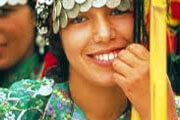 Traditional Clothing
 The Moroccan Caftan
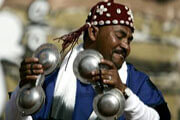 Music of Morocco
 Moroccan Proverbs and Quotes
Advertisement